
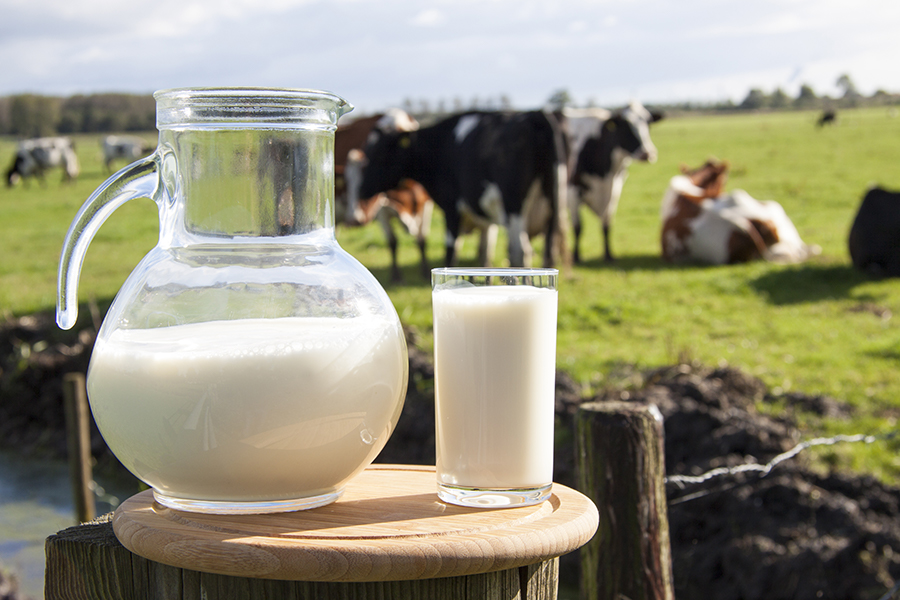
Your parents probably told you that you need to drink your milk if you want to grow up big and strong. While this statement has truth, it’s not the full story. Milk can provide a lot of the resources your body’s bones need to grow, but it’s not the only factor by a long shot.
:max_bytes(150000):strip_icc()/GettyImages-139541971-1f2cdfcfae93447bacabe425dec3d65a.jpg)
Your bones are made up of both organic and inorganic materials. Collagen makes up the majority of the organic components while calcium makes up the majority of the inorganic components. Collagen for your bones can either come from animal-based products like bone broth that contain collagen or foods like leafy greens that promote your body’s natural production of the protein. Collagen provides a flexible framework for bones, acting as the steel framing to calcium’s concrete.
Calcium gives strength, rigidity, and structure to our bones. Milk provides calcium and vitamin D to your body, which it uses to build up your bones. Of course, calcium can come from non-milk, or even non-dairy, sources such as almonds or fortified plant milks. Vitamin D, which helps your digestive system absorb calcium, can come from the sun or be eaten in the form of oily fish or red meat to name some examples.
When you consume calcium, it enters your bloodstream. Your body maintains its calcium homeostasis by moving the mineral into or out of your bones based on it’s levels of calcium. When there is plenty of it, calcium goes to your bones. When there isn’t enough, your body takes calcium from your bones.
Consuming enough calcium isn’t just important during our developmental years; even after we are done growing our body rebuilds damaged and weakened bone. Bone doesn’t just need repairing when it fractures. Bone remodeling occurs when bone cells called osteoclasts break down bone tissue and osteoblasts build new bone in its place. This cycle operates to maintain bone health as we age.
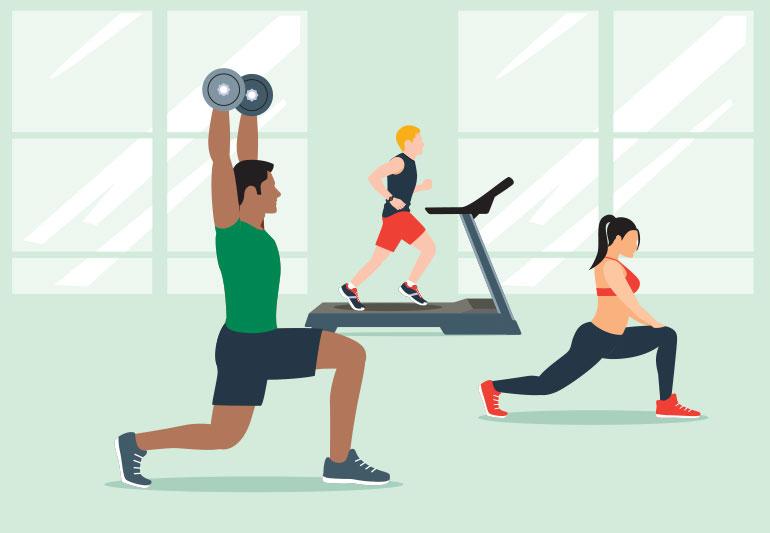
Weight-bearing activities such as running or walking stimulate this process, building bone in adolescents and preserving bone in adults. Unfortunately, there comes a time when bone deteriorates faster than our body can repair it, making prioritizing bone health while we’re young is extremely important.
In summary, drinking milk is the tip of the iceberg: there are many factors that affect your bone health and calcium isn’t nearly as effective without proper protein consumption and exercise.
 The Hominin Hiker
Leave a comment