
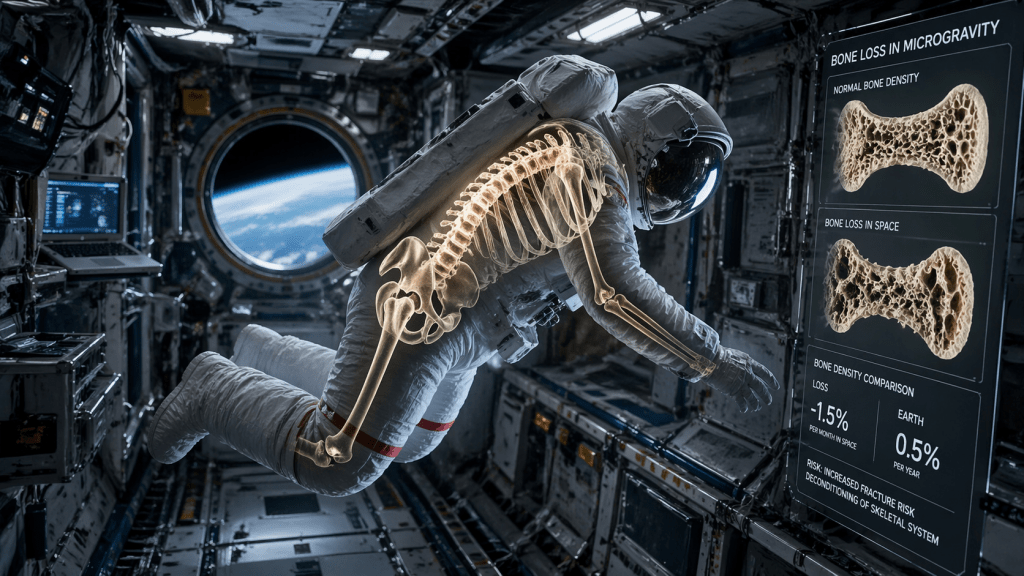

If you were floating in space, you would not only have to fear the reality of being tethered to a tin can of air: your skeleton would give you plenty of cause for concern.
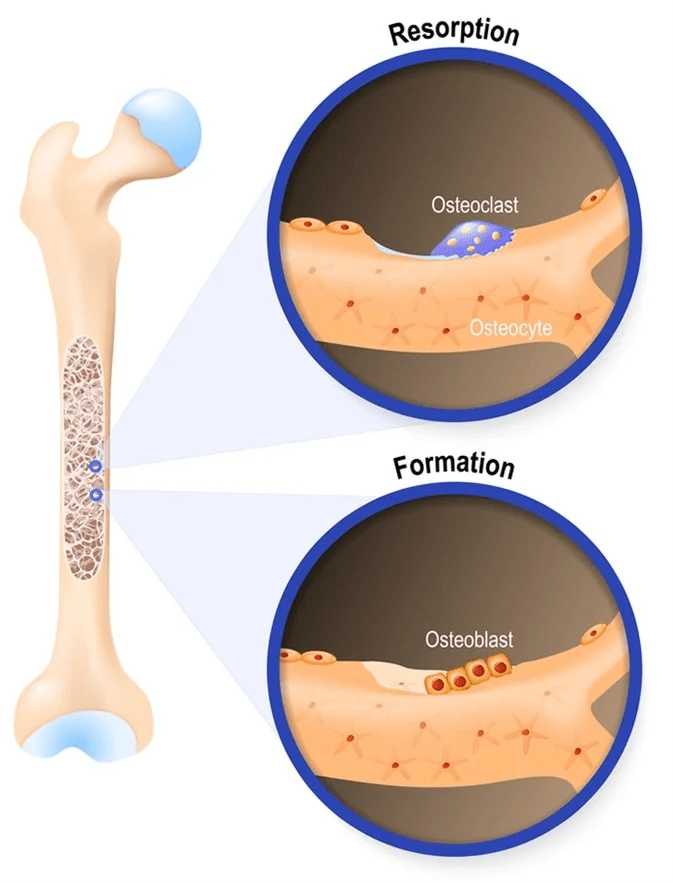
On Earth, gravity is the invisible force that constantly puts pressure on our bodies to reminds our bones, “Hey, you have to bear weight!” It fuels cells called osteoblasts to lay down fresh bone while osteoclasts destroy and dispose of old material, keeping the structure strong and balanced.
In lower gravity, that reminder vanishes. Without pressure on your bones, your osteoclasts start a slow‑motion demolition party while the builders remain unstimulated and slow down, leading to a measurable loss of bone density (about 1‑2 % per month). Astronauts feel it as a subtle stiffness, like a rubber band that’s been left unused. To fight back, space crews slam on resistance‑training devices, run on treadmills strapped to the floor, and even chew special vitamin‑D‑rich meals, turning their spacecraft into a makeshift gym.
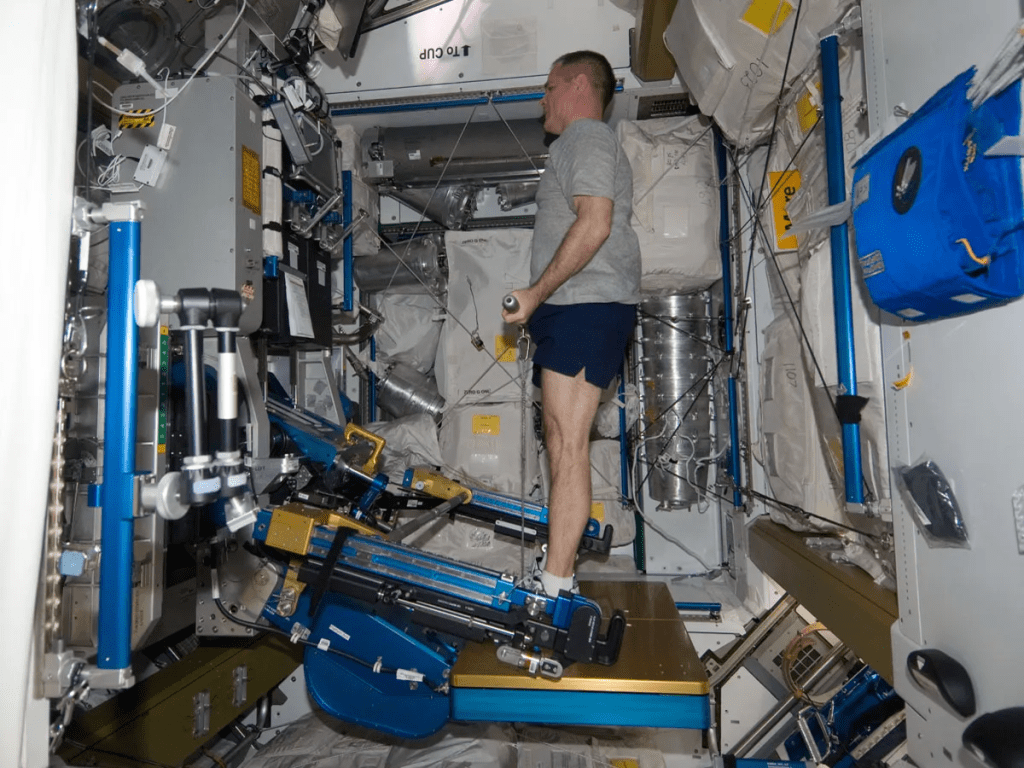
Researchers also experiment with vibrating plates and low‑dose medications that mimic the mechanical signals of gravity. The hope is that researchers will find a method that counteracts bone loss for a long enough period that our astronauts can reach for the stars while still being able to walk when they come back home. For you, however, the effort of existing and performing daily tasks while under the watchful eye of gravity keeps your bones from turning into dust.


Leave a Reply