
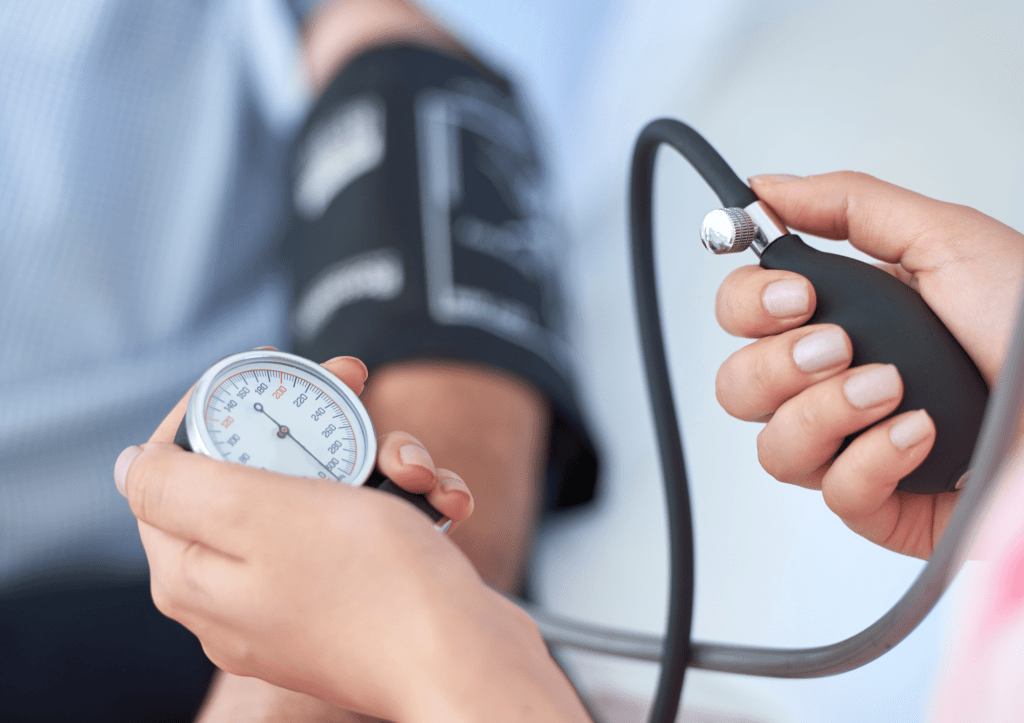
Blood pressure is the force exerted on the walls of your arteries as your heart pushes blood through your body. It is measured in milimeters of mercury (mm Hg) and it appears as two numbers. The first number, systolic, occurs when the left side of the heart contracts and sends a rush of blood into the arteries; the second, diastole, is recorded when the heart relaxes and refills. Doctors also consider mean arterial pressure (MAP), a single average that tells them whether vital organs such as the brain, heart and kidneys receive enough flow. Because the heart spends more time in diastole (relaxation) than systole (contraction), MAP is weighted closer to the lower number, which is why it better reflects the pressure that actually perfuses tissues.
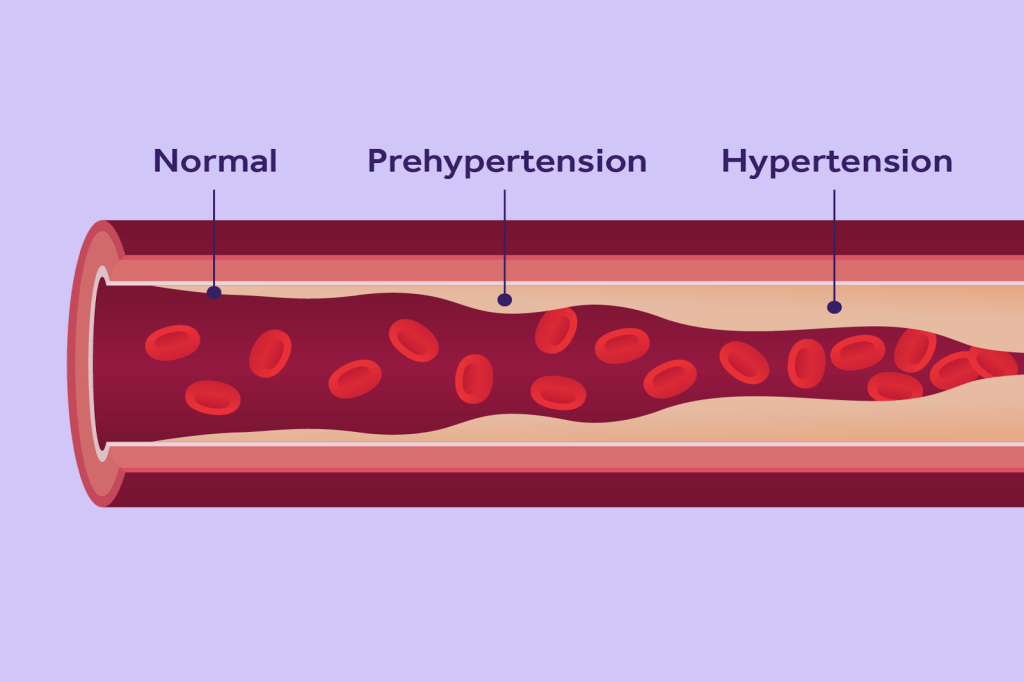
A reading around 120/80 is normal, 140/90 or higher indicates hypertension, and 90/60 or lower points to hypotension. A brief cold stimulus, like dipping your hand in ice water, activates the sympathetic nervous system, tightening vessels and making the heart beat faster, which usually raises the systolic number. The cold test mimics the body’s response to stress or danger, showing how the sympathetic system prepares for rapid action.
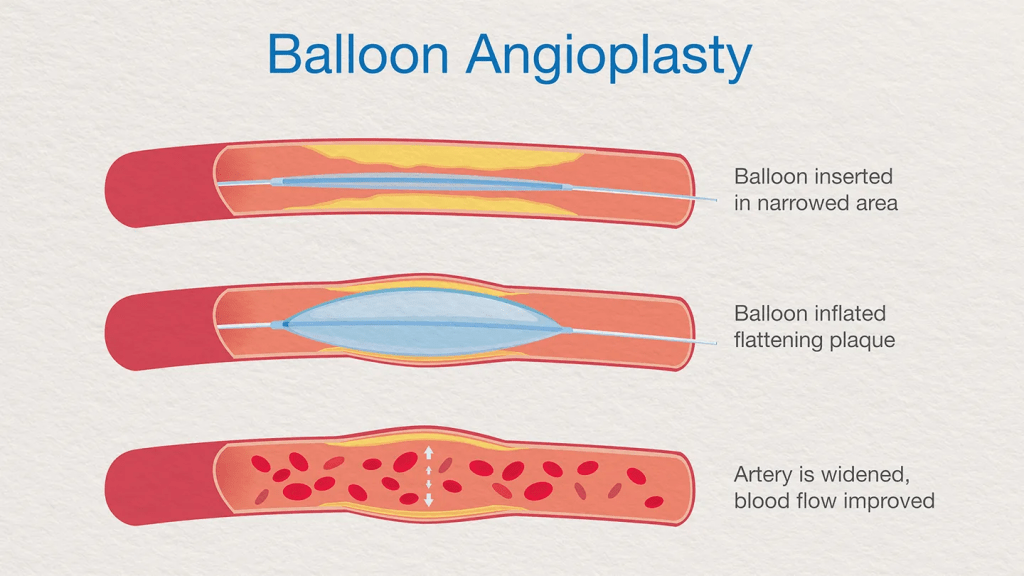
Angioplasty is a procedure used to open narrowed or blocked arteries, usually in the heart. A thin catheter with a balloon at its tip is threaded through a blood vessel to the blockage. Once positioned, the balloon inflates, compressing plaque against the arterial wall and restoring flow. A stent is often placed to keep the artery open permanently. The operation lasts less than an hour and requires a brief hospital stay. The procedures risks include bleeding, artery damage, or re‑narrowing over time, but success rates are high and patients usually experience significant relief from chest pain and improved overall heart function.
Overall, it is ideal to maintain circulatory health and a low blood pressure. Stress, diet, age, genetics, and physical activity all influence blood pressure. One of the most common inciting factors is the overconsumption of dietary sodium. Excess salt raises the sodium concentration in the bloodstream, which draws water from surrounding tissues into the vascular compartment to maintain osmotic balance. The resulting increase in plasma volume expands the total blood volume, exerting greater force against the walls of arteries and raising arterial pressure. Over time this sustained elevation can lead to hypertension, a major risk factor for heart disease and stroke. Managing sodium intake, along with a balanced diet and regular exercise, helps keep blood pressure within a healthy range and keeps you out of the doctor’s office!
 The Hominin Hiker
Leave a comment